
Opis
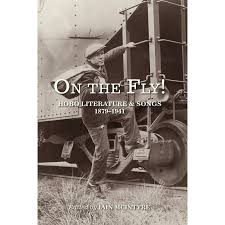
From the 1870s until the Second World War, millions of Americans left their homes to board freight trains that would carry them vast distances, sometimes to waiting work, often to points unknown. Congregating in skid rows, socializing around campfires, and bringing in the nation’s crops, these drifters were set apart from conformist America by a lifestyle possessing its own haunts, vocabulary, and cultural, sexual, and ethical standards. Alternately derided and lionized for their footloose ways and nonconformity, hoboes played a crucial and largely neglected role in the creation of not only America’s infrastructure, industry, and agriculture but also its culture, politics, and music.